
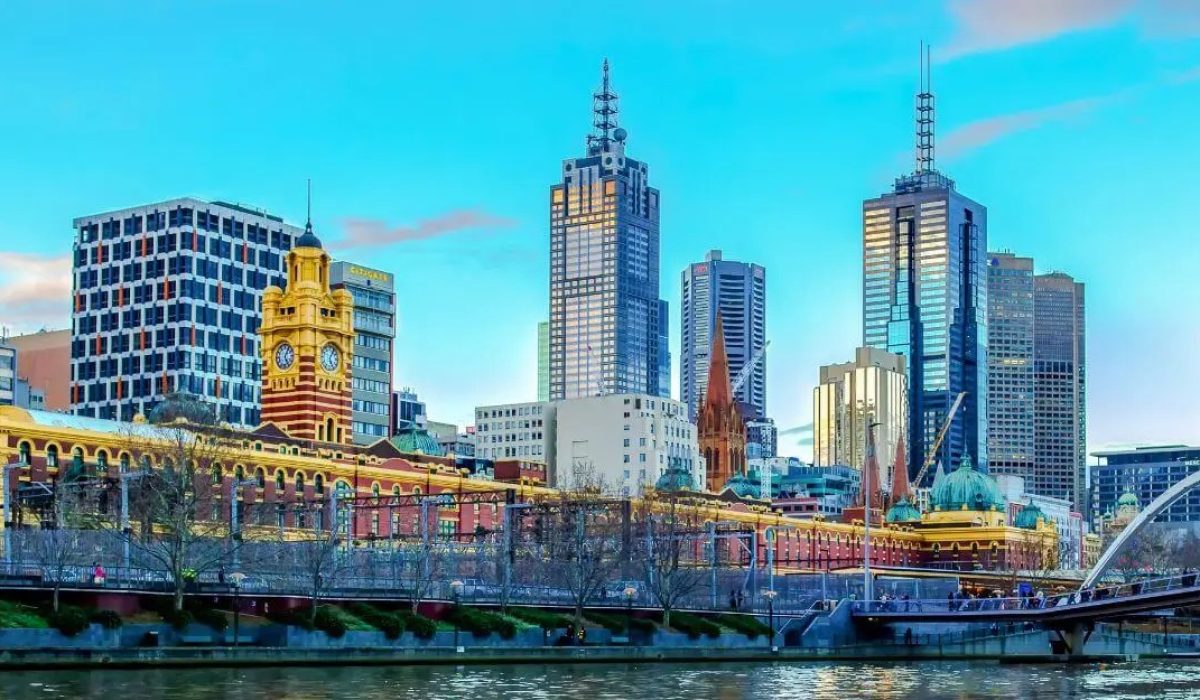
Melbourne, known for its vibrant culture, coffee scene, and thriving business ecosystem, has faced significant upheaval due to the COVID-19 pandemic. Lockdowns, restrictions, and changing consumer behavior have reshaped the city’s commercial landscape. However, amidst the challenges, new opportunities have emerged for businesses willing to adapt and innovate.
Challenges Facing Melbourne Businesses
- Shifting Consumer Habits: The pandemic accelerated the shift towards online shopping and digital services. Businesses that were slow to adapt to e-commerce or lacked a strong online presence have struggled to keep up with changing consumer preferences.
- Workforce Changes: Remote work and flexible arrangements have become the norm for many businesses. This shift presents challenges in terms of communication, collaboration, and maintaining company culture. Additionally, some sectors, like hospitality and tourism, have faced staffing shortages as workers sought out more stable employment.
- Supply Chain Disruptions: Global supply chains have been disrupted, leading to delays, increased costs, and shortages of certain goods. This has particularly affected businesses reliant on imported materials or products.
- Financial Strain: Lockdowns and reduced consumer spending have put financial strain on many businesses, especially small and medium-sized enterprises (SMEs). Some have had to close their doors permanently, while others are struggling to recover.
Emerging Opportunities
- Digital Transformation: The pandemic has highlighted the importance of digital transformation for businesses of all sizes. Investing in e-commerce, online marketing, and digital customer service can open up new markets and revenue streams.
- Evolving Workplace Models: The shift towards remote and hybrid work models offers opportunities for increased flexibility, reduced overhead costs, and access to a wider talent pool. Businesses that embrace these models and invest in the right technology can create a more productive and engaged workforce.
- Local Focus: Consumers have shown a renewed interest in supporting local businesses. This presents an opportunity for smaller retailers and producers to differentiate themselves through personalised service, unique offerings, and a focus on community engagement.
- Innovation and Adaptation: The pandemic has forced businesses to become more agile and innovative. Those that can quickly adapt to changing circumstances, identify new opportunities, and pivot their business models are more likely to thrive in the post-pandemic landscape.
Strategies for Success
- Embrace Digital: Invest in e-commerce, digital marketing, and online customer service to reach a wider audience and meet evolving consumer expectations.
- Foster Resilience: Build resilience into your business model by diversifying revenue streams, maintaining cash reserves, and having contingency plans in place for unexpected disruptions.
- Focus on Customer Experience: Provide exceptional customer service, both online and offline, to build loyalty and foster positive word-of-mouth.
- Support Local: Partner with other local businesses, participate in community events, and source products locally whenever possible.
- Invest in Your Workforce: Provide training and resources to help your employees adapt to new ways of working and develop the skills needed for the digital age.
Melbourne’s Future
Despite the challenges, Melbourne’s business landscape is poised for a strong recovery. The city’s diverse economy, entrepreneurial spirit, and supportive government policies create a fertile ground for innovation and growth. By embracing digital transformation, fostering resilience, and focusing on customer experience, businesses can not only survive but thrive in the post-pandemic era.